The real reason I became loud and pushy: self-preservation

May 18, 2015

We’re taught to be polite. We’re taught to be respectful. But what happens when being polite and respectful is killing you?

I mentioned to some friends recently that I didn’t used to be loud and pushy. In fact, I was quiet and rather meek for a long time. They were shocked. If you’re a long time reader, you might be surprised, too. They couldn’t imagine me ever being shy about speaking my mind. But they didn’t know me before.

I was a shy child. When an adult, even a well known friend of my parents, spoke to me, I would hide behind my mother’s legs. I got past that, as children do, but I was always shy about expressing my opinions. I hated raising my hand in class, even when I knew I had the right answer. Bit by bit I started raising my hand and volunteering thoughts and ideas. Still, I was never pushy about it. I would tell my boss what I thought, then go with whatever he decided.

There was no one moment when that changed. It was a gradual thing that snuck up on me over time. Then one day, someone else brought up the need to be pushy with doctors, and I had a sudden flash back to the days when I was timid, and I realized I wasn’t like that any more.

I was a child when I had my first symptoms, so I did what my parents and my doctors said to do. It was always some combination of Advil, heat, ice, support braces, etc. None of it worked. Still, complaining made things worse. I learned early on that if I was too insistent about things, I’d be ignored. I was lucky that my parents never ignored me, but certain doctors and teachers did. Several openly suggested I was making the whole thing up.

As I became an adult, I still wasn’t taken seriously. And even when the doctors took me seriously, I still received poor care. I got shuttled between doctors within an insurance-induced maze and continued to get worse and worse. I was told not to come in any more. I learned to speak up for myself in college, where the disability support services were horribly lacking. I pushed for what I needed to succeed in class, but only within the strict bounds of cultural politeness.

In my early 20s I had an unusual ability to see a doctor of my choosing for a short time. I won’t get into the insurance loophole, but I found it and used it. For the first time, I took things into my own hands against the advice of my doctors. And for the first time in 11 years, I got a diagnosis. That was my first taste of how going against the grain could help me.

Somewhere in my late 20s or early 30s, I started to stand up for myself more. When doctors would bend my hand and ask, “Does this hurt?” and I said yes, they would still try to do it again, but unlike a decade before, I pulled away. I argued with insurance representatives, even when it did no good. I tried to get better care. I was still being polite most of the time, but I was pushing that boundary more and more.

Around this time, my health took a dive. The doctors said they couldn’t do anything. I knew I had to take over. If I didn’t, what would become of me? If that wasn’t enough, I was fighting with a disability insurance company and with social security for benefits that I knew I deserved. It felt like my life was falling apart. It was do or die, probably literally. So I did. In an effort for self-preservation, I stood up for myself. When a doctor didn’t want to run a test, I asked why. When they gave a reason, I debated, using the facts I had learned through my own research. When my primary care physician didn’t want to give me a referral to a specialist I suspected could help (and he later did!), I switched doctors. I interviewed doctors at the first appointment to see if I would stay with them. I asked for more tests, more treatments, more of everything that I thought could possibly help me. I was polite when that seemed to be the most likely way to get what I wanted, and I was rude when that seemed the better way to get what I wanted. I argued, pleaded, and even yelled. I stopped short of becoming abusive, but otherwise, I pushed hard.

Pushiness has carried over into other parts of my life. I’m sure some people find it annoying. Others find my forthrightness refreshing. I find it necessary.

I don’t know when being pushy became my default setting, but it did. And it probably saved my life. It’s not the best route for everyone, but for me it was the only way I could find.


What to do when the medication is gone?

May 13, 2015

Like many people with autoimmune diseases, I have a lot of overlapping conditions and many symptoms. My most limiting and disabling symptom right now is fatigue. The fatigue is caused by several things, among them strained adrenal glands. There have been just two things that have helped the fatigue, and I may lose both. Then what will I do?!

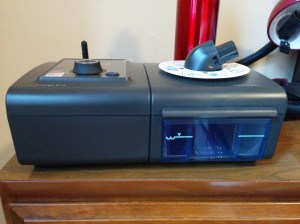
First, I have a form of sleep apnea. I got a CPAP machine that helped a lot!!! I loved that thing! Unfortunately, I 2014-04-23 11.03.16
developed a complication and now I can only use it for about an hour every other night. Don’t even get me started on the frustration with that! I’m still working with my sleep doctor on that, but he admits there are limited options for this particular issue, so I may just be stuck. Treating my sleep apnea would help a lot, and might be good enough that I wouldn’t need the other thing that’s worked.

The other thing is an over-the-counter supplement called Isocort, made to support the adrenal glands. It’s been amazing for me! A tiny pill or two makes me able to function fairly well every day! Sure, I’m not about to go jogging, get a job, or clean the apartment, but I can run errands, socialize, and just feel ok. I love it! Unfortunately, they stopped making it. When they stopped, patient communities online were very upset. It was the go-to nonprescription solution for adrenal insufficiency. The prescription solution is a steroid, which causes all sorts of problems for many of us. When production stopped, everyone floundered. They found alternatives with varying success. I tried a form of the most popular alternative. It helps a bit, but not at all like the Isocort did.

I now have a 4-6 month supply of Isocort left. And then what? Will I have to go back to feeling that constant strain to function?

So now I feel stuck. I have some more options, but they feel unlikely to work at best. If Isocort was still in production I wouldn’t be worried. Sure, I wouldn’t want to be on it for the rest of my life for various reasons, but I’d be glad to use it for a few years if it helped. Oh, if only!

I’ll try more Isocort alternatives. I’ll keep working with the sleep doctor. But what will I do if they all fail?


There are no safe spaces

April 26, 2015

When I started this blog, it was so I could have a place to rant about the frustrations of having chronic illnesses. Over time, it’s morphed a bit, and I’ve covered many chronic illness-related topics from many perspectives. But today it’s time for a good old fashioned rant again.

I was in what I thought was a safe space. I thought it was safe, so I let down my guard. I’m so used to keeping my guard up that I completely forget about it, until I let it down and something proves that I should have kept it up.

Today’s incident was unexpected. I was in a room of people who care about social justice issues. The afternoon was spent talking about what it means to be in an oppressed group, and how to be an ally to an oppressed group. Most of the talk was about racism and sexism, but there was a bit of talk about homophobia, biphobia, and transphobia. I also brought up ableism. Everyone was kind, respectful, and interested in learning. I was asked some great questions by someone who just wanted to understand a bit more about what the disabled community is dealing with. I connected with another person with chronic illness. It was a fantastic afternoon. I had missed most of the event, but at least I’d made it for the end and was feeling more or less ok.

Then it was time for a closing exercise. It involved walking around the room, which I could have done a few hours earlier, but not at that point. At that point I needed to sit. And that’s when I became invisible. Most people avoided looking at me. A few looked, and then looked quickly away. They pretended I wasn’t there. It was horrible. I thought about leaving, but that didn’t feel like the right thing to do. I thought about getting up and participating, but I knew I couldn’t manage it. So I stayed seated. And then later, I cried.

Thankfully there was a friend there, and as people left, I pulled her aside, told her what happened, and cried. I don’t cry often, especially in public. But I was so upset! For once I had let my guard down, and look what happened! No one was mean. No one said anything insensitive. But they acted like I was invisible, and I just couldn’t handle that. Not like that. Not today.

I’m still hurting. I can’t seem to get it off my mind. Plus, I’m dealing with the physical effects: the adrenaline surge left me shaky at first, but I calmed down and ate, and that helped. Still, for someone with adrenal insufficiency, that’s not good. And of course, crying is tiring, even when it’s a short cry. So now I’m drained, but I know I need to wake up early for a doctor appointment tomorrow. Damn!

And I’m just so pissed, because I was having a really nice day! I had wanted to attend this thing for weeks, and I wasn’t sure I’d be able to make it. Even this morning I had my doubts, but I made it and I’d had a really nice time! It was so wonderful until the end. And that just ruined the whole thing. I’m trying to hold onto that good feeling I’d had, but I just can’t seem to do it.

I put up with this kind of bullshit all the time. That’s why I’m so used to keeping my guard up. It feels like I deal with some sort of bullshit every time I leave the house, but this once, for just a short time, I thought I was safe. I’d dealt with the hurdles of getting there (and there were several, both at home and on the short journey) and I’d thought I was safe.

I left feeling sad, frustrated, discouraged, alienated, and mad. I left feeling like there are no safe spaces. My chronic pain support group has been safe with health stuff, but my guard is up for biphobia when I’m there… what if I mention a date with a woman and someone reacts badly? Today’s event was the one space where no sort of -phobia or -ism is tolerated, but being ignored and avoided had the same effect.

Please, someone, prove me wrong. Tell me about a safe space. Or if you need to vent about your own similar experiences, go right ahead. Leave your thoughts in the comments and do your own venting.

I just hope that one day, somehow, some way, I really will find a safe space.


Easy things that aren’t so easy

April 24, 2015

When you have chronic pain, chronic fatigue, and other chronic symptoms, there are some everyday movements and actions that most people assume are easy, but which really aren’t. They’re painful, draining, and sometimes impossible.

I was reminded of this yesterday when my mom called. I told her I was in recovery mode from the activities of the day before. She knew I was resting, but she didn’t seem to understand that just talking on the phone was exhausting. I was supposed to be resting, so I shouldn’t have been talking on the phone, but she thought of it as a low-energy activity. In fairness to my mom, I should have been more clear about my limitations; that’s my responsibility and no one else’s. But it did make me think about how differently we perceive things.

So here are just a few things that others think are easy but which aren’t for me. And of course, it varies from day to day. Some days sitting up is no problem. Others it’s impossible.

  • Sitting up.
  • Cooking.
  • Walking down the street.
  • Walking around my apartment.
  • Keeping my eyes open.
  • Standing up.
  • Breathing.
  • Reading.
  • Eating.
  • Sitting down without letting my body just drop to the sofa/chair/toilet.
  • Talking.
  • Singing.
  • Concentrating on anything.
  • Drinking water.
  • Showering.
  • Watching a movie and following the plot.
  • Typing.
  • Thinking.
  • Moving my hands.
  • Keeping my hands still.

What can you add to this list? Please share your ideas in the comments. Then share this with your family and friends to help raise some awareness.